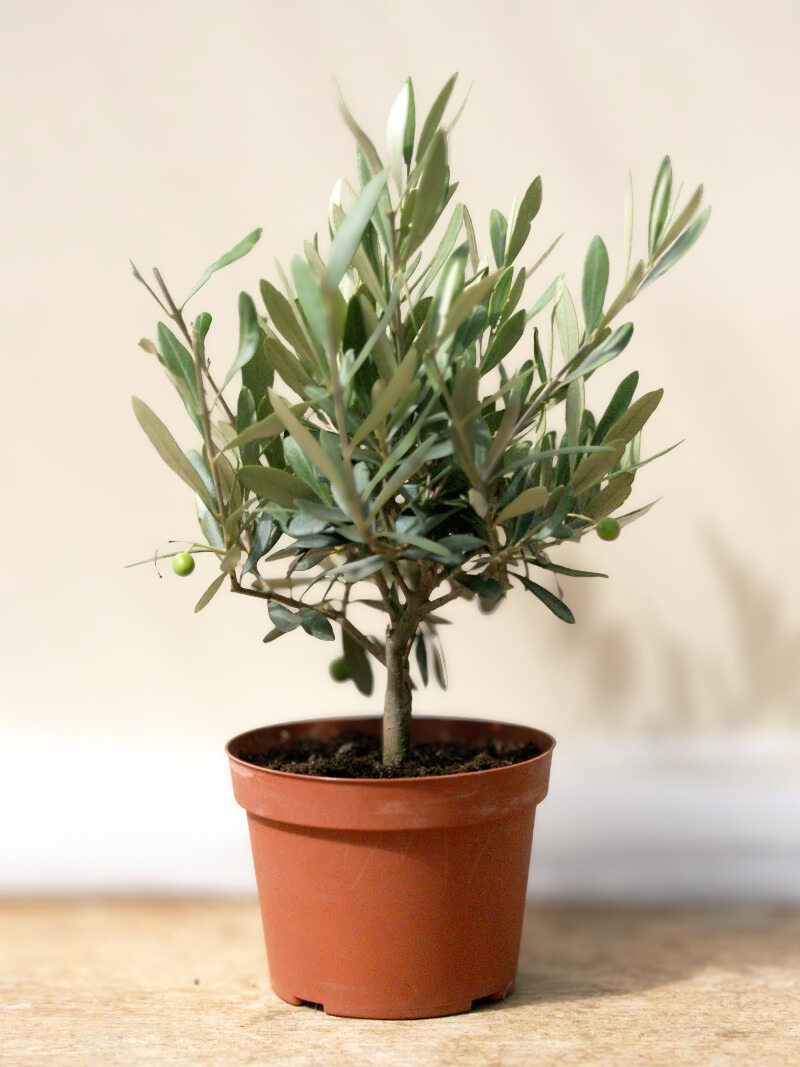
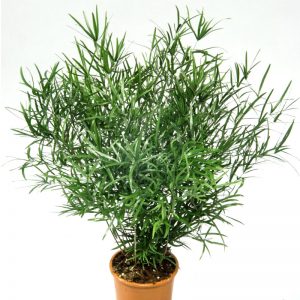
Bring timeless Mediterranean elegance indoors with the Indoor Olive Tree. With its soft silvery-green leaves, slender trunk, and natural sculptural shape, this compact tree adds warmth and sophistication to modern interiors.
Perfect for bright rooms, apartments, and styled living spaces, the indoor olive delivers understated luxury with surprisingly low maintenance.
If you love minimal, sun-drenched aesthetics — this plant is for you.
Why You’ll Love It
🌿 Silvery foliage that complements neutral interiors
☀️ Thrives in bright, sunny windows
🏡 Adds a Mediterranean, resort-style feel indoors
💧 Drought-tolerant once established
✨ Beautiful architectural shape for styling
Plant Features
Botanical Name: Olea europaea
Common Name: Olive Tree
Plant Type: Evergreen Mediterranean tree (grown indoors in pots)
Growth Habit: Upright, tree-form
Indoor Height: Typically 30 cm – 1.5 meters (prunable)
Foliage: Narrow, soft silvery-green leaves
Fruit (Indoors): Rare, unless in very bright conditions
Light Requirements
-
Requires bright light
-
Best placed near a south- or west-facing window
-
Needs 6+ hours of direct or strong indirect sunlight
-
Low light may cause leaf drop
Indoor olives do not tolerate dark corners — sunlight is essential.
Watering Guide
-
Allow top 3–5 cm of soil to dry before watering
-
Water thoroughly, then drain excess
-
Avoid letting roots sit in water
-
Water less frequently in winter
Overwatering is the most common problem with indoor olives.
Soil & Potting
-
Use a fast-draining potting mix
-
Ideal mix: Indoor soil + sand or perlite
-
Pot must have drainage holes
-
Terracotta pots are ideal for airflow
Good drainage is critical for healthy roots.
Temperature & Humidity
Ideal Temperature: 18–30°C
-
Keep away from cold drafts or AC vents
-
Tolerates normal indoor humidity
-
Prefers warm, dry environments
Styling & Placement Ideas
-
Near large windows
-
Beside sofas or accent chairs
-
Entryways with natural light
-
Minimalist and Mediterranean-inspired interiors
Pairs beautifully with terracotta, linen, and neutral tones.
Frequently Asked Questions
Can an olive tree really grow indoors?
Yes — with sufficient sunlight. It must be placed in a bright location to thrive.
Will it produce olives indoors?
Fruit production is uncommon indoors unless the plant receives very strong sunlight year-round.
Why are leaves dropping?
Usually caused by insufficient light or overwatering.
Is it pet-friendly?
Generally considered non-toxic to pets.
Care Level
⭐ Easy to Moderate
Best for bright indoor spaces and plant owners who can provide strong sunlight.